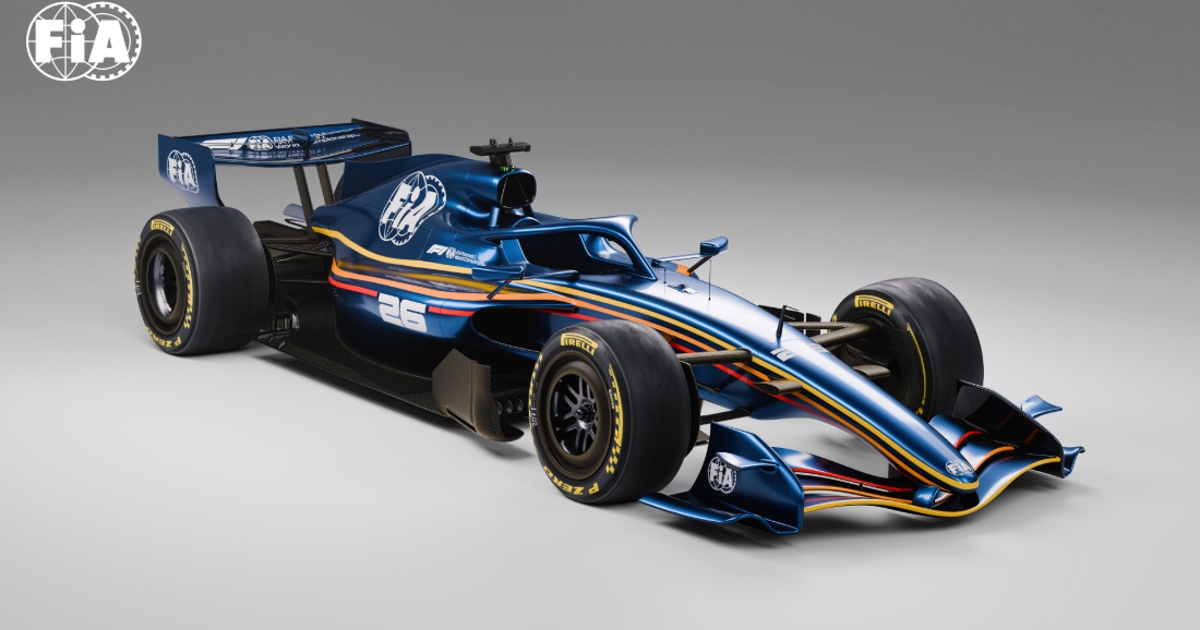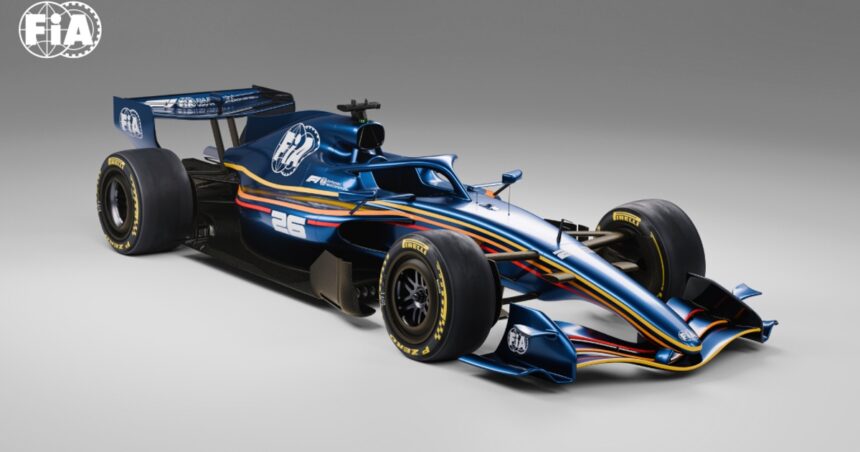
F1 and the FIA have finalized the brand new terminology required for 2026 vehicles in a basic change to the rules.
The 2026 rules will make extra electrical power out there as a part of the facility unit, with an virtually 50:50 cut up with the inner combustion engine, in addition to energetic aerodynamics. There are new overtaking aids and configurations, all of which have been examined by fan focus teams comprised of recent, present and core followers of the game to simplify the terminology that describes the brand new expertise.
The brand new overtaking assist, which replaces DRS, is just referred to as ‘Overtake’ and permits drivers who’re inside two seconds of the automobile in entrance to enter extra power to help in wheel-to-wheel battles. That is separate from the automobile’s ‘increase’ characteristic, the place the motive force makes use of an power restoration system (ERS) to offer power when wanted.
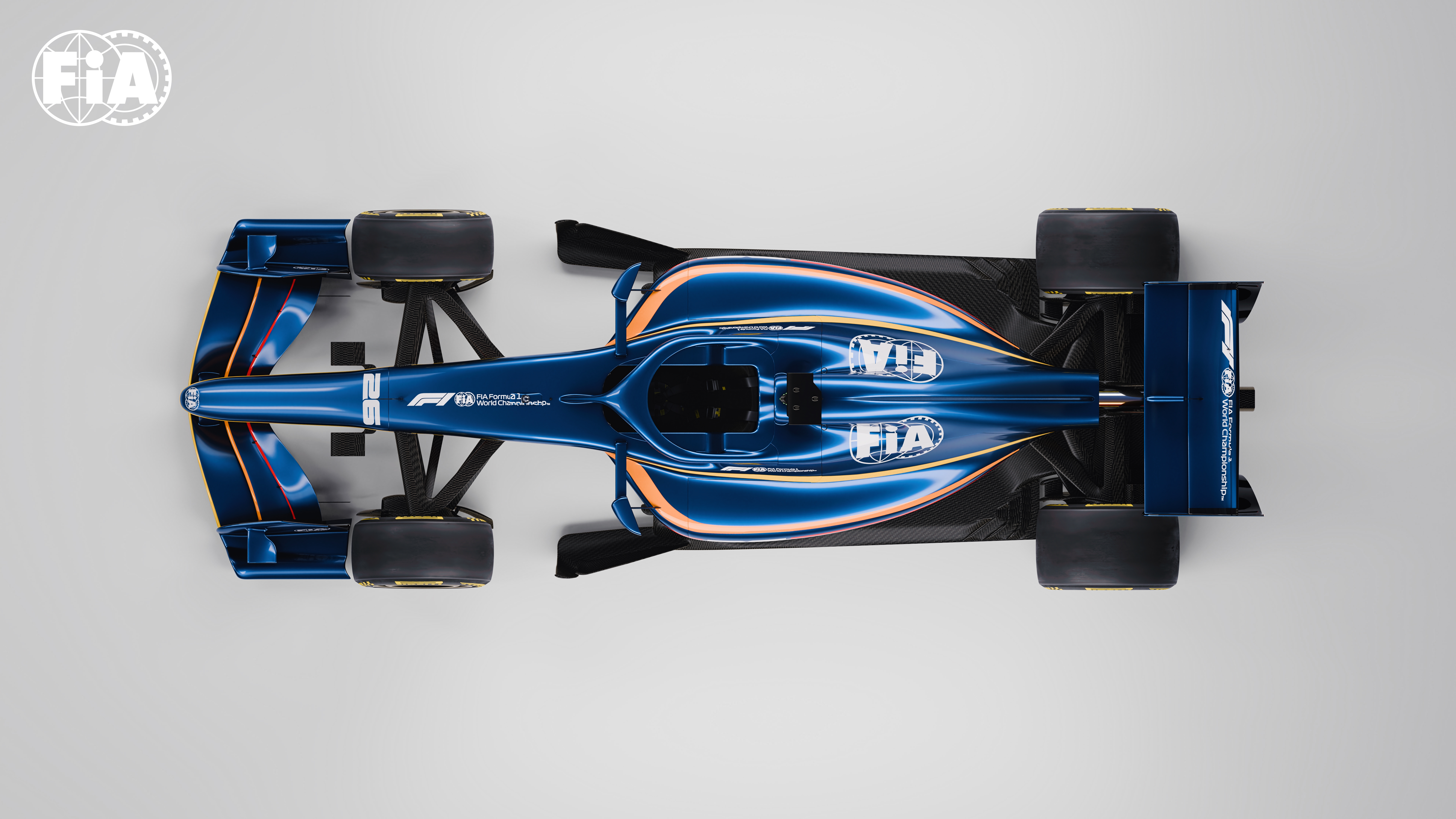
Lively aerodynamics is maybe the largest change from a automobile perspective, with two separate modes merely referred to as ‘Straight Mode’ and ‘Nook Mode’.
In nook mode, the automobile is successfully in its regular full downforce state, permitting most aerodynamic efficiency all through the nook.
In straight mode, the entrance and rear wing flaps open to scale back drag and improve high velocity with much less power. This configuration can solely be used for autos in a chosen space (outlined by the minimal size straight) of every circuit.
The 2026 rules additionally embody additional makes an attempt to enhance the impression of soiled air on following vehicles, with the FIA making progress in comparison with 2021 with the earlier ruleset. In line with Crew Geometry, the 2021 automobile has an estimated 67% of the lead automobile’s aerodynamic efficiency out there when following inside 20 meters, with the whole dropping to 55% at 10 meters.
F1’s primary goal for 2022 was to realize a efficiency of 95% within the 20m and 85% within the 10m, however knowledge from the previous three years suggests the typical was 80% and 65% respectively. The baseline goal for 2026 is 90% within the 20m and 80% within the 10m, and the FIA expects to handle some loopholes that might be exploited within the earlier rules.
“Within the very early days of 2022, everybody was speaking about how far they may comply with and everybody was actually blissful. However at present I’d say it is fairly troublesome,” FIA single-seater director Nicolas Tombazis mentioned. “In that respect, I’d say we did not have as a lot management over that parameter as we’d have preferred.
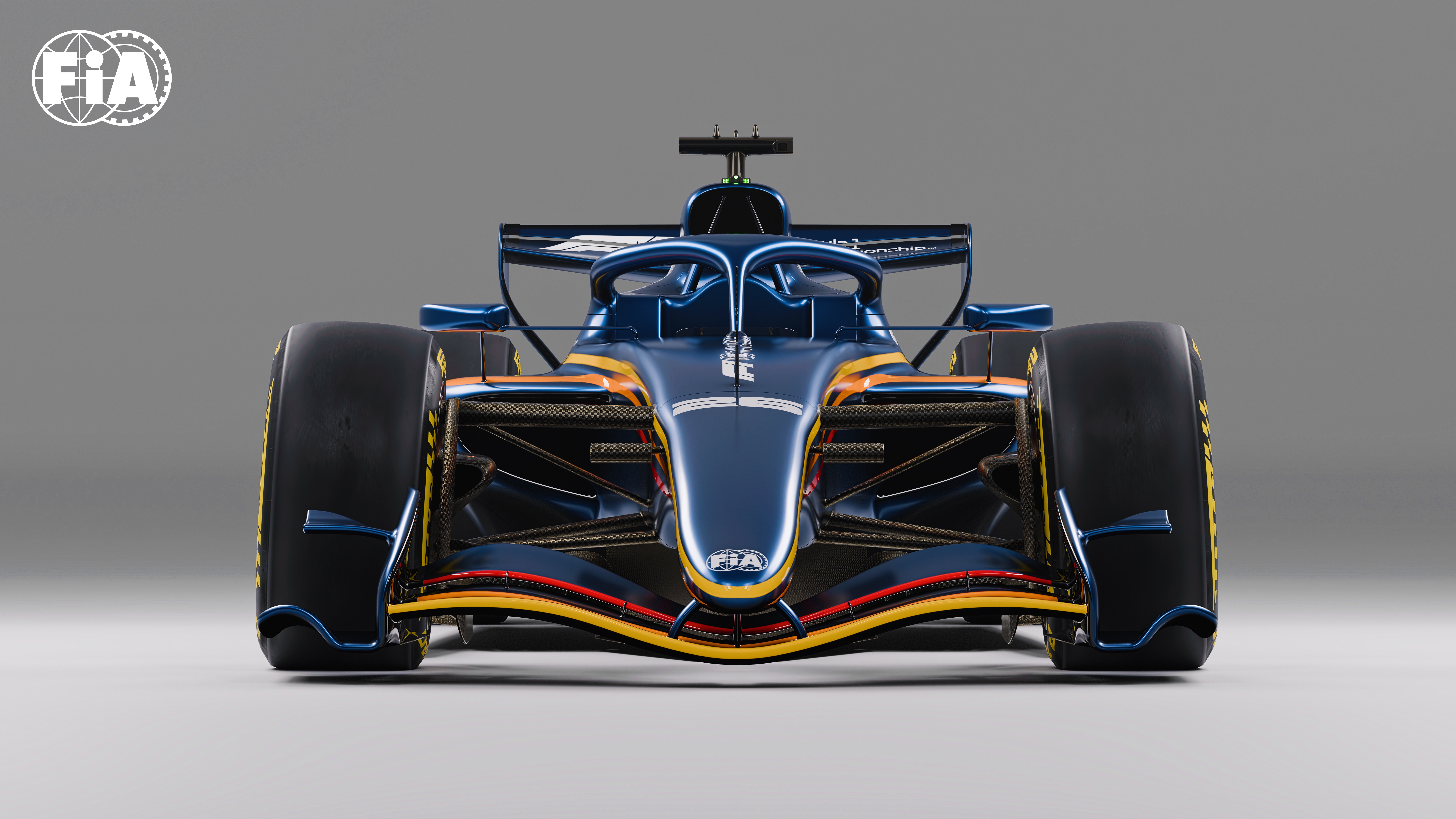
“The primary space[that was exploited]was the entrance wing finish plate. The entrance wing finish plate was initially deliberate to be a really inwash gadget. And regularly, in all the choices about how the profile goes round and joins to the top plate, it wasn’t tightened sufficient, so the profile ended up outwashing fairly a bit in that space, creating quite a lot of outwash.”
“One other space that they exploited so much was the entrance wheel drum design and all of the ‘furnishings’ on the within of the entrance wheel. I feel the ground edges have been additionally in that class. All the ground edge design…I feel these have been the primary areas of efficiency degradation from the intent of the foundations, for instance.”
“As for outwash, we clearly consider it is being addressed (for 2026), however let’s have this dialogue in two years and hopefully we are able to all smile and say it was OK.”