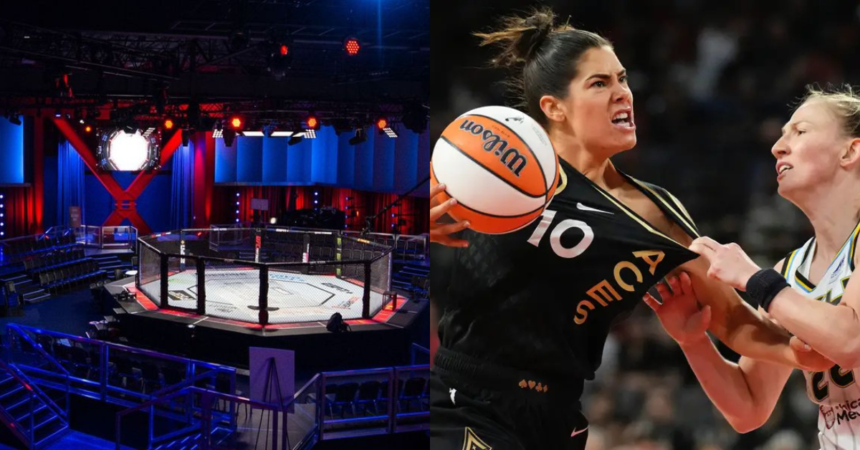
The WNBA’s new labor settlement raises new comparisons to the UFC’s enterprise mannequin and factors to a longstanding debate over how a lot income athletes ought to earn in comparison with the income they generate. Though the 2 amenities are situated in numerous elements of the sports activities world, the variations in pay construction and leverage have gotten tough for followers to disregard.
Concentrate on new WNBA contract
Earlier this week, the WNBA and gamers’ union agreed to a brand new collective bargaining settlement that essentially restructures salaries throughout the league. In response to stories, the wage cap is anticipated to leap from about $1.5 million in 2025 to about $7 million in 2026, the minimal wage will rise from $66,079 per season to greater than $300,000, and the common wage is anticipated to be about $600,000. A number of information retailers have lately estimated the WNBA’s annual income to be within the $200 million to $300 million vary. This implies gamers are anticipated to earn round 20 per cent of league income underneath the brand new system, considering the income sharing mechanism.
UFC’s monetary power, stagnation of entry pay
In distinction, UFC, a worldwide martial arts chief owned by TKO Group Holdings, will generate roughly $1.5 billion in income in 2025 and an adjusted EBITDA margin of roughly 57%. This quantity represents a rise of roughly $96 million 12 months over 12 months for the UFC out of the $4.73 billion in general TKO income in 2025. However compensation for entry-level fighters stays locked into the identical fundamental template that followers have seen for years: per-fight contracts constructed round “present” cash and matching “win” bonuses. Official wage breakdowns and trade guides state that UFC starter contracts vary from $12,000 for a present to $12,000 for a win, with base pay not assured between fights.
Income distribution and wage distribution
Unbiased analyzes and stories by labor advocacy teams have lengthy maintained that UFC athletes earn within the vary of 15 to 18 % of complete promotional income. This share compares unfavorably with the brand new WNBA construction, the place gamers’ income share is projected to be round 20 %, although the league operates on a smaller scale and solely lately moved out of deficit territory.
Contracts, unions and leverage
Past the headline numbers, followers are additionally listening to contract phrases and participant rights. WNBA gamers negotiate via their official union, the Nationwide Girls’s Basketball Gamers Affiliation, which has been on the negotiating desk for about 17 months and was keen to threaten work stoppages earlier than locking in big income in minimal wage, income sharing and future cap will increase. Underneath the brand new framework, gamers can have management over their title, picture and likeness, permitting stars like Caitlin Clark to signal their very own sponsorship offers with manufacturers like Nike with out claiming possession of the league.
In distinction, UFC fighters are labeled as impartial contractors and haven’t any acknowledged labor union or collective bargaining settlement. A typical contract would offer long-term management over a fighter’s title, picture and likeness utilized in promotions and restrict the flexibility to show private sponsors throughout occasions, in change for athletes receiving a flat payment from the uniform companion. This construction, mixed with a scarcity of collective bargaining, leaves particular person fighters with restricted energy to push for larger minimums or higher income sharing, at the same time as mum or dad corporations report report money flows.
UFC and WNBA: Why followers examine
All of this explains why the lately stabilized league can now supply a minimal wage of about $300,000 per season, whereas the WNBA’s annual income is an estimated $300 million, whereas entry-level UFC fighters nonetheless signal contracts that pay $12,000 to indicate and $12,000 to win regardless of a promotion that earns an estimated $1.5 billion yearly. For a lot of observers, the vital variable just isn’t viewers dimension however bargaining energy. Whereas one group of athletes collectively negotiates and locks in future income development, the opposite group stays fragmented in a system the place promotions maintain a lot of the playing cards.